Dealing with the loss of a loved one is an overwhelming journey, and for children, it can be particularly challenging. Their young minds may struggle to comprehend the permanence of death, coupled with the emotional turmoil that follows. As parents or caregivers, our role becomes crucial in helping them navigate this difficult path. This article aims to guide how to support your child through the grieving process.

Encourage Openness
Supporting a child in the throes of grief requires a delicate balance of sensitivity and openness. One of the most crucial steps is to encourage the child to express their emotions freely. It’s essential to reassure them that it’s perfectly normal to feel a range of emotions, from sadness and confusion to anger. By normalizing these feelings, we can help mitigate the additional stress that comes from suppressing such strong emotions.
Children often hesitate to share their feelings, fearing they might upset the adults around them or that their feelings are too burdensome. As such, it’s vital to create a safe, non-judgmental space where they feel comfortable expressing their emotions. This doesn’t mean providing solutions or trying to fix their pain; instead, it’s about acknowledging their feelings, validating their experience, and assuring them that they are heard and understood.
Seek Professional Help When Necessary
When it comes to helping a child navigate the complex journey of grief, professional therapeutic support can be invaluable. Therapists who specialize in child grief counseling are equipped with the skills and knowledge to provide techniques and strategies tailored specifically to your child’s age, developmental stage, and individual understanding. These professionals can offer insights into the unique ways children perceive and process loss, which can be instrumental in guiding your support efforts. Furthermore, therapists can provide practical advice to parents on how to better support their child during this challenging time, offering both emotional and strategic guidance.
However, it’s important to remember that therapy is not a quick-fix solution, but rather a tool that can be employed over time to aid in the grieving process. A therapeutic environment provides a safe, neutral space for your child to express their feelings without fear of judgment or the worry of causing further upset. This setting allows for the exploration and validation of emotions that might otherwise feel too overwhelming to confront. Maintaining open communication with both the therapist and your child is vital to ensure the therapeutic process aligns with your child’s comfort and pace and truly supports their journey through grief.
Let Art Help with Grief
Creating a commemorative poster for a departed loved one could be a therapeutic activity for a child dealing with grief. There are a few complimentary online design tools available that can make this process easier and more engaging. Many platforms have a wide range of templates, graphics, and photos, even in its free version. This could help your child personalize the poster with their favorite memories, quotes, or pictures of the person they’ve lost, in a way that resonates with them.
Tools have collaborative capabilities that can make the poster creation process a shared experience. This could help you and your child work together on the poster, fostering communication and mutual support during this challenging time. The poster could include pictures, favorite quotes, or memories shared with the loved one. This activity provides a safe outlet for their emotions and creates a keepsake that honors the memory of the departed.

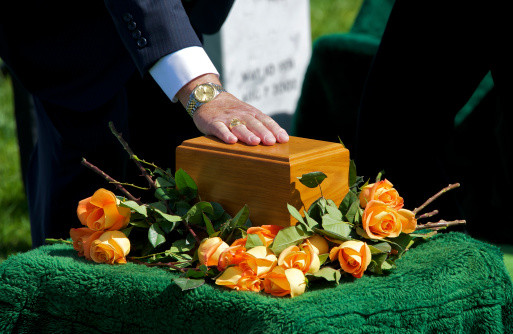
Hand painted urns provide a powerful way to honor your loved one. They allow your family to create an art piece that captures and expresses the unique personality of your loved one, while honoring the time and budgetary constraints that so many families must endure today.
Active Listening and Validation
Active listening goes beyond hearing what your child is saying; it’s about engaging, empathizing, and validating their feelings. When your child opens up about their feelings, resist the urge to offer solutions or dismiss their concerns. Instead, acknowledge their emotions and reassure them that it’s okay to feel the way they do.
Validation does not mean you have to agree with everything they say, but it does mean recognizing their perspective. This approach can help your child feel understood and supported, which is crucial during the grieving process.
Encourage Participation in Rituals or Traditions
Participation in rituals or traditions can offer a comforting sense of familiarity and structure during the disorienting times of loss. Encouraging your child to partake in these activities can provide them with a meaningful way to remember and pay tribute to the deceased loved one. Simple acts such as lighting a candle, visiting a beloved spot, or sharing cherished stories about the departed can help maintain a sense of connection and continuity, which can be profoundly comforting.
However, it’s important to bear in mind that each child is unique and may choose to participate in these rituals and traditions in their distinct ways. Some may find solace in quiet reflection, while others might prefer more active expressions of remembrance. Respect their individual choices and offer support without imposing any preconceived notions of how they should grieve. The goal isn’t to rush them towards closure but rather to help guide them on their path through the grieving process.
Patience and Understanding: Key to Support
When dealing with a child’s grief, patience, and understanding are two of the most important attributes you can bring to your support role. It’s crucial to remember that every child grieves in their own unique way and at their own pace. Some children may exhibit immediate reactions, such as crying or expressing sadness, while others may initially seem unaffected, only showing signs of grief much later. As a parent or caregiver, your role is not to hasten this process but to be patient and understanding, allowing them the time and space they need to process their loss.
Your consistent presence during this challenging period can make a world of difference to a grieving child. Providing reassurance and displaying empathy is key to creating an environment of stability during a time that can feel chaotic and uncertain for them. It’s essential to remember that there is no right or wrong way to grieve, and each person’s experience with grief is deeply personal. By supporting your child through their unique grieving process, without imposing expectations or timelines, you are providing one of the most loving and supportive acts possible in their time of need.
Helping a child navigate through grief involves open communication, professional support when necessary, creative expression, active listening, participation in rituals, and above all, patience and understanding. Remember, you are not alone in this journey, and seeking help is a sign of strength, not weakness.
















Contact Une Belle Vie Customer Service