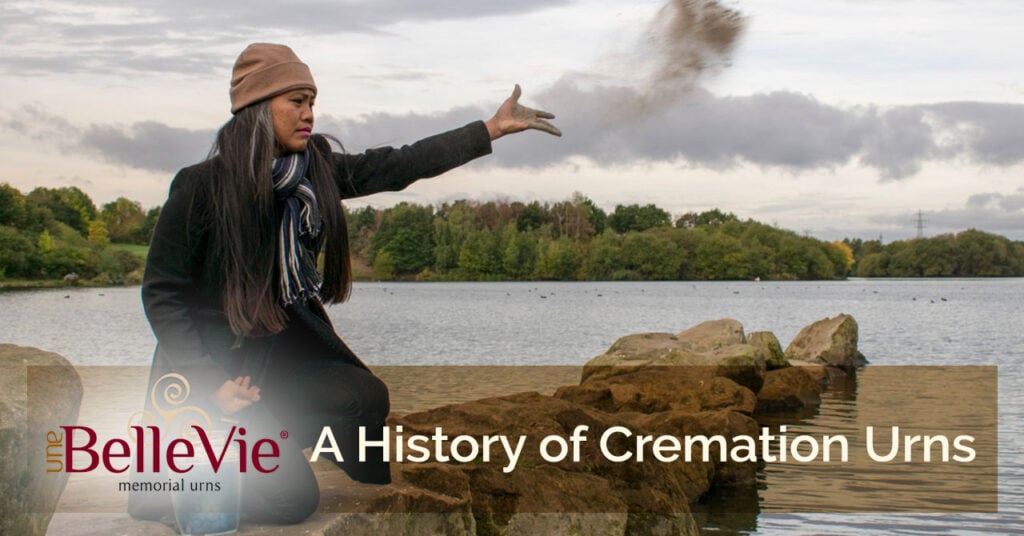
One of the most favored burial options in the modern day is cremation urns. This burial option includes the burning of the bodies of people who passed away. The ashes of the bodies are then placed into an urn for the family of deceased individuals to keep as a memorial to their loved ones.
Cremation urns are often chosen because loved ones of the deceased can have closeness with whoever passed away; they are a great way for people to remember the lives of the dead. Here’s a summary of how cremation urns have been used to honor the memories of those who have passed throughout history:
Cremation Urns in the Stone Age/Bronze Age
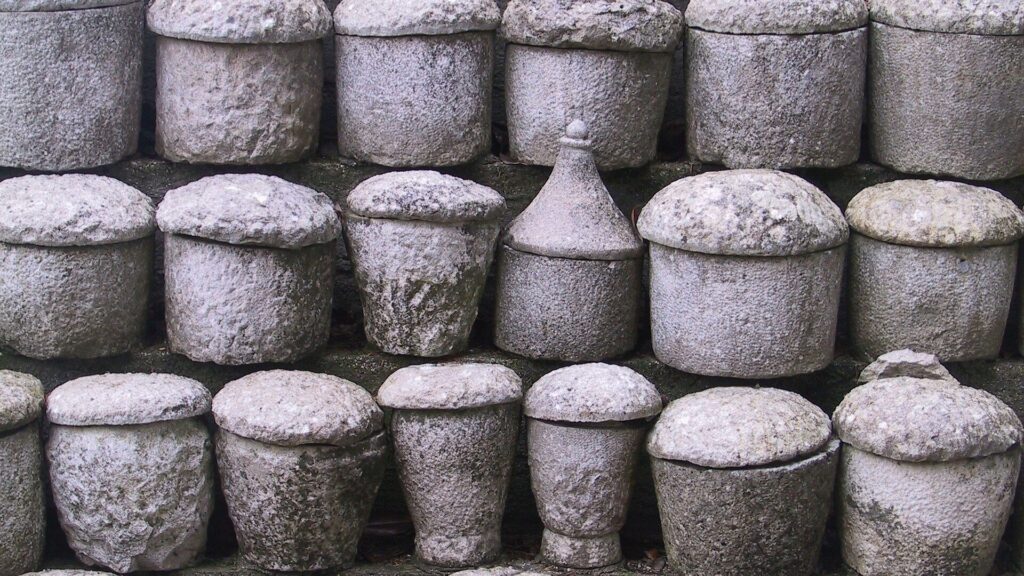
Archaeologists have confirmed that cremation urns dated back to the Stone Age (3000 B.C). Due to the huge number of urns found in caves and other locations across Europe and the world, they appear to have always been popular. The first sign of urns ever being used was in China. Archaeologists discovered 7000 burial urns in Yangshuo, China – likely created between 5000 to 3000 B.C. Early urns were made up of pottery, and had simple designs. Without an abundance of resources, humans in the stone age weren’t able to manufacture intricate urns. Similarly, this cremation process was used to show respect to the deceased. Once the era of the Bronze Age began, other countries began using this burial method. Spain, Portugal, Ireland, England, Hungary, and Italy all began implementing cremation urns into their cultural practices. Since they were part of the Stone Age, cremation urns have existed for most of our world history.
Cremation Urns: The Greeks & Romans
During the Mycenaean Age (1000 B.C – 800 B.C), Greece resorted to cremation when burying bodies. There are a variety of reasons why Greeks opted for this method. The first reason is the convenience of this burial method. The Mycenaean Age was an era filled with battles, so the Greeks had to find a way to quickly bury the bodies of fallen soldiers. Cremation urns were perfect because they took up minimal space, and the body-burning process was fast. Another reason why Greeks used cremation urns was to honor those of great importance. Special ceremonies were held for the nobles of Greek society, and the cremation urns were a huge part of them. The type of urn the Greeks used is known as “lekythos”. Lekythos urns were hand-painted vases. Often, lekythos urns held oil during the ceremonies. The Romans adapted cremation urns into their practices as well. Roman funeral ceremonies ended with the urns being placed in a columbarium, a huge tomb located underground. Only the most respected Romans were placed in columbaria after death.
These two eras both used cremation urns to bury the dead. After these early eras, there was a decline in the use of cremation urns.
A Decline and Resurrection of Cremation Urns
The decline of cremation urns was mostly caused by Christians who deemed the practice as an act against their religion. Instead of cremation, Christians buried the complete bodies underground, usually in coffins. Along with Christians, Muslims, Jews, and other religions, also opposed this burial method. For a while, there was a lack of people using cremation urns. It wasn’t until 1874 in England that cremation urns would become popular yet again. Sir Henry Thompson, the surgeon of Queen Victoria, recommended that cremation should be used rather than burying the body. Years later, Americans began building their own crematories. In 1913, approximately 52 crematories were built in America. This is how cremation urns became an American practice.
Cremation Today

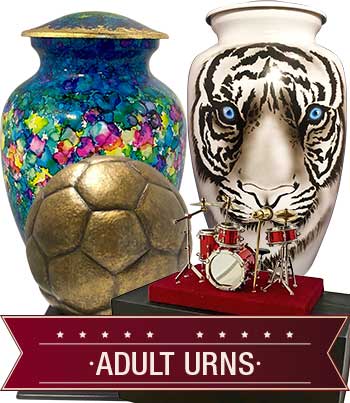
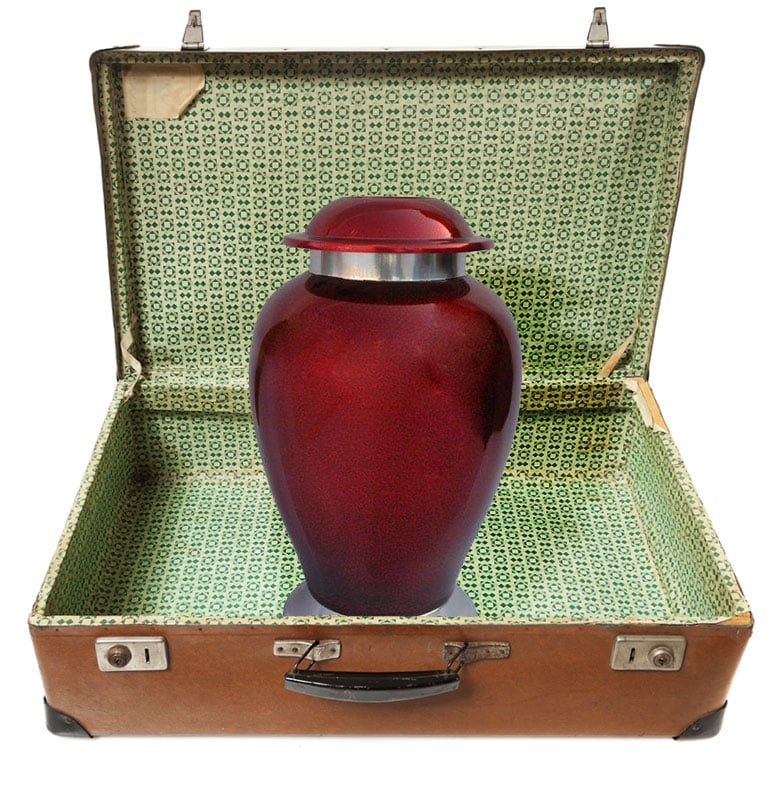
Both cremation and burial are popular today. Throughout history, many cultures have been inspired to use cremation urns in their funeral traditions. Now, urns can consist of any material ranging from ceramics and metals to biodegradable burial urns. Families can choose containers special to them, order handcrafted urns, or purchase traditional metal urns. Unlike coffins, urns can be inexpensive, are easily accessible, and can even be fully customized to memorialize the life of the deceased. There are endless opportunities for the urn you can choose to bury your loved one.
In addition, people have taken to scattering ashes from the urn. For a loved one, whatever place that they’ve favored in their life, their ashes could be scattered there. This offers the surviving a way to get closure after losing someone they’ve loved and cared for. Others choose to place the ashes in memorial keepsake urns, which can be given to different members of the family. This idea offers a sentiment, reminding the surviving family members that the deceased is always with them, even after death.
Whether you scatter the ashes or keep the urn untouched in your home, cremation urns are a wonderful way to honor those who are no longer with us.
Business development manager George J. Newton works at Dissertation writing services. George has been married for ten years, and has mastered being able to apologize to his wife.
Continue Reading
Cremation Facts: The Basics and a Little More
What Can You Do With the Ashes of a Cremated Loved One?
Explore Une Belle Vie Exclusive Memorial Urns











Contact Une Belle Vie Customer Service