
Assembling end-of-life documents is essential for everyone, especially those with families. Having a plan ready for your family can make the transition easier. Seniors need to have end-of-life documents in order and keep their plans updated. If you’re helping a loved one assemble their end of life documents, here are a few tips for you:
Know the Types of End-of-life Documents
When it comes to estate planning, there are multiple documents to choose from. These include:
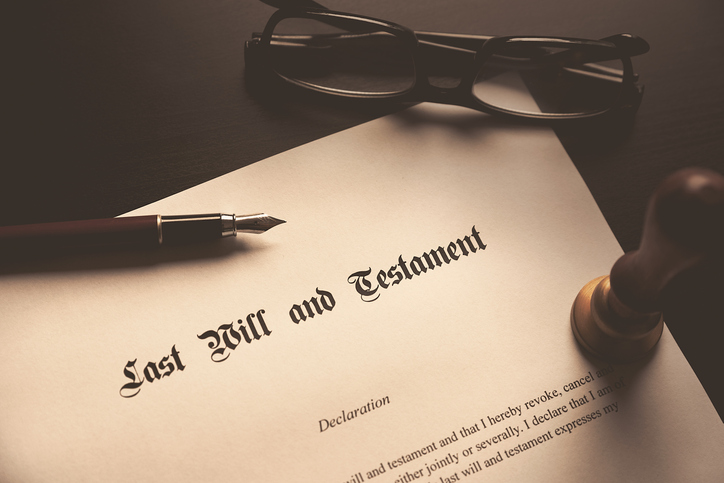
Will: A will is an end-of-life document that expresses a person’s wishes when it comes to how their assets will be distributed. It names an executor who will oversee the distribution process. Your will can include anything from the person’s favorite pillow to the most expensive asset they own.
A will also names a guardian for an individual’s pets or children.
Living Will: A living will is a document that outlines a person’s wishes for how they will receive medical treatment if they ever become incapacitated or unable to give consent.
Power of Attorney: A power of attorney provides a way for an individual to name a person who will make property and health decisions on their behalf if they become incapacitated.
Trust: A trust is an agreement where a person allows another person or an institution to hold their assets and manage the distribution for a recipient.
Burial Requests: Funeral and burial requests are end-of-life instructions that dictate a person’s wishes for their funeral, memorial, burial while making financial arrangements to cover the costs.
Beneficiary Designations for Financial Accounts: Beneficiary designations allow someone to dictate who will receive the money in their bank accounts after they pass away.
Life Insurance: Life insurance relieves the financial burden on a person’s family after they pass away.
Deciding which documents are necessary for a person is a matter of preference. For example, someone may decide they don’t need a trust at all and will choose to create a will. Make sure you understand the benefits and features of each of these documents so you can help them find the right option.
Make a List
No matter which end-of-life documents the person you’re assisting chooses, they will need to make a list of the things and people that are most important to them. For example, many people choose which of their surviving children will receive specific assets, while others choose to give all of their assets to their children and let their children decide who should get what.
Get Help
Dealing with a mountain of paperwork, especially paperwork you’ve never prepared yourself, can be stressful. Luckily, you don’t need to do this all alone. With a trusted professional or an attorney, you can create these documents easily and without stress. It’s also recommended you discuss some of these matters with your doctor so you can understand the health decisions that may have to be made by someone else in the future.
Start Discussing End-of-life Early
Nobody likes talking about what will happen when a loved one passes away, but estate planning is necessary, not only for the beneficiaries but also for the individual. By starting discussions early, everyone involved can come together and make more informed decisions. All of the documents will need to be reviewed and revised on an ongoing basis.
Once the elderly person you’re assisting with their end-of-life documents knows the type of documents they want to create, it’s important to start discussing their end-of-life with their trustees, beneficiaries, and anyone else who will be involved. For example, if anyone is being named guardian of a pet, you’ll need to discuss with them to ensure they are willing to take on the extra responsibility and costs.
Understand Current Health Conditions
Before you prepare any documents, make sure you understand the current health conditions of the person you’re helping. Health conditions like dementia can and will affect end-of-life documents. In this process, you’ll learn about the older person’s health and understand how these health conditions might progress or worsen.
Talk About Values
When it comes to creating these documents, you must understand the elderly person’s values. It’s also important to consider who will be making medical decisions on the person’s behalf if they become unable to do so themselves.
Know the Right Questions to Ask
If the person you’re assisting on their end-of-life documents has never thought about what would happen to them if they passed away or became incapacitated, you should prepare a list of questions to help them find the proper answer. These questions should help you get a better idea of what someone’s wishes are, which you can put in their estate plan. A few questions to ask are:
- Where would you want to spend your end of life?
- What are your religious or cultural beliefs about the end of life?
- Who can you trust with additional responsibility upon your death?
- What do you imagine your funeral will be like?
- Who will get what assets after you pass away?
Use the Right Tools
If you believe you don’t need the help of an attorney when assembling end-of-life documents for an elderly loved one, there are many tools out there that can allow you to draft your own will, trust, and even name a guardian.
Many of these tools come with attorney support for an additional fee, so you can opt-in if you need extra help or advice.
Organize and Store End-of-life Documents
If you’re a family member helping someone assemble their documents, make sure you keep them all in one safe place. Even better would be to scan them and keep an electronic copy on your computer.
You can set up a file somewhere in the home or put everything in the back of the closet. Wherever you choose to put these documents, make sure you’ll remember where they are. One family member and an attorney should be informed about where these estate plans are so they can be found in case of an emergency.

Matt Casadona
Matt Casadona has a Bachelor of Science in Business Administration, with a concentration in Marketing and a minor in Psychology. Matt is passionate about marketing and business strategy and enjoys San Diego life, traveling, and music.













Contact Une Belle Vie Customer Service