Our pets are like family members, so it’s not surprising that dealing with animal death is an extremely difficult and sad experience. If you have a dying pet or have recently lost a pet, it’s imperative to know how to grieve the loss healthily. Many people consider their pets to be the same as a human companion. When people adopt them, they are often viewed as equal to another family member, especially if you raised them since they were babies. You bring them into your home and help them adjust to new places just like you would with a human child, which is why understanding animal death, and how to handle it, is vital for your mental health and well-being. This guide explores some aspects of animal death and offers some helpful tips about how you and your family members can cope with such an intense, difficult loss.

Why an Animal’s Death is so Painful
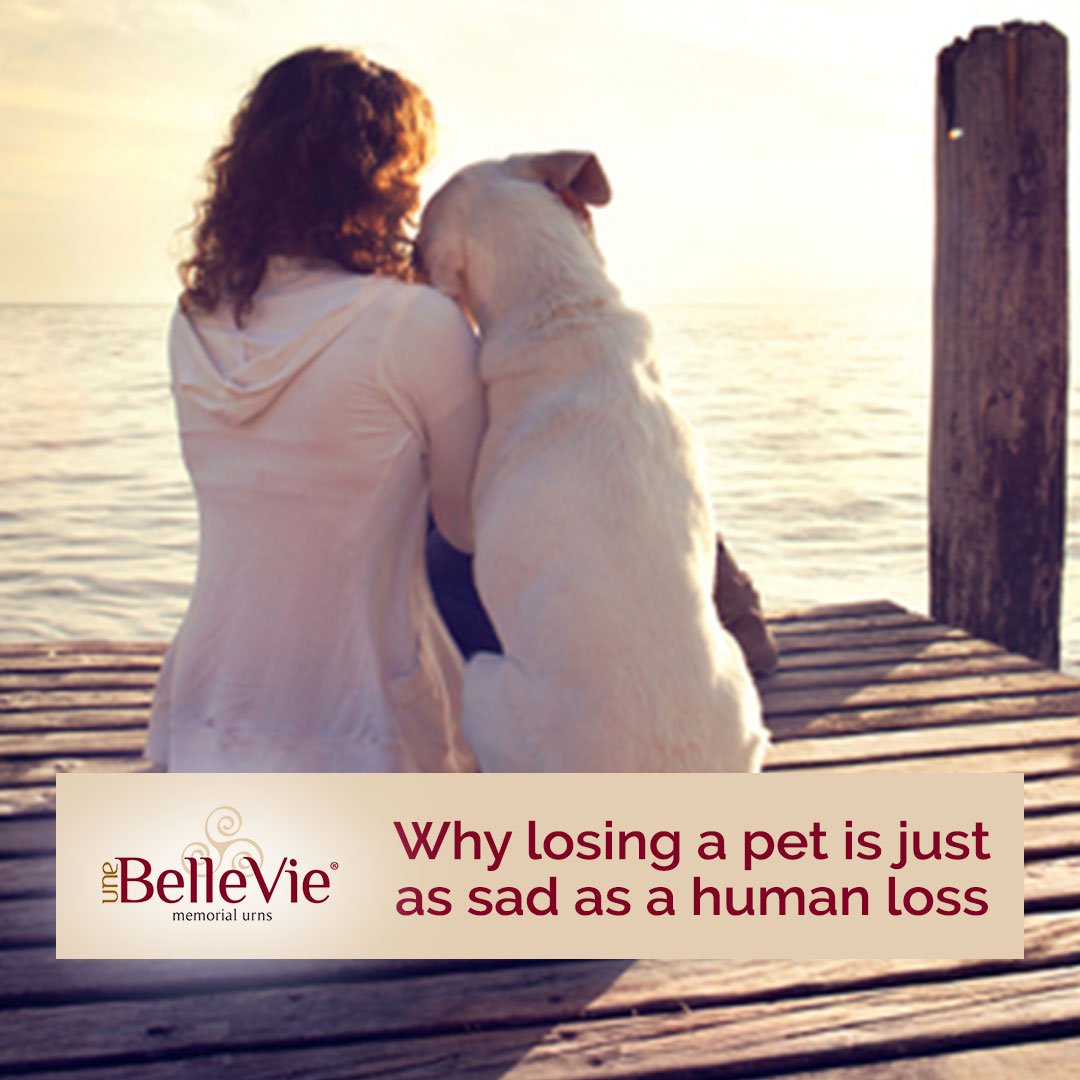
Losing an animal that you love can feel like losing a human in your life. But why is this such a painful experience?
If you’ve had your pet since it was small, you may feel as if you’ve raised an actual child from infancy to adulthood. This can feel similar to losing a human child that you’ve worked so hard to raise and care for. And, as animals provide unconditional love and don’t judge us, losing them can feel like you’ve lost someone close to you who understands your thoughts and feelings like no one else does.
Most people think of their pets as sentient beings with feelings. In fact, one study showed that when you gaze into your dog’s eyes, you both feel increased levels of oxytocin, which is called the “love hormone.” This strengthens the bond and feelings of love you have between yourself and your pet, which makes their loss feel just like the loss of a friend, family member, or another loved one you care about.
An Interspecies Bond Like no Other
One thing that makes animal death so difficult is that your pet is just like another family member. Here are some facts about the bond between humans and animals that may explain your grief.
- Dogs have been living side-by-side with humans for over 10,000 years, which explains why these animals are so bonded to us as human beings.
- Dogs have evolved more than any other pet to become our friends and companions. Eventually, these animals learned how to communicate and interact with humans on a different level than many other animals are capable of.
- Your pet never criticizes you or judges you, which can help you want to become a better person for them.
- Some studies have shown that dogs’ brains respond to praise from their owners in a way that’s just as strong as a response to food. This means that dogs can interpret human emotions based on body language and facial expressions.
- Animals of all kinds can make people smile. In fact, most pet owners have lower stress levels and higher levels of mental well-being than those who don’t have a pet.
- Since you give your pet a name, you consider them part of the family. Losing a pet can disrupt your routine almost more impactfully than losing a friend or relative, making the loss even harder.
Animal Death: Guilt and Relief, How to Cope
When you experience pet loss, you’ll likely feel a combination of grief and relief at the same time.
Feeling guilt after an animal’s death is entirely normal. You may feel like you’ve failed your pet or didn’t do enough. Remember that you love your pet and that you’ve done everything within your power to keep them happy, safe, and comfortable.
Many pet owners feel a sense of relief when their pet passes away. Watching an animal suffer or deal with pain and illness can be particularly difficult, especially if the animal was enduring an illness that was expensive or exhausting for the pet owner. A sense of relief is normal and can signify that you knew deep down it was time to let them go, and that the difficulty is over, not just for you, but for them, too.
Don’t be afraid to feel grief and mourn your pet when they die. It’s ok to reach out to others and express how you feel. If you need someone to talk to, call a friend or family member so you can talk about how you feel. Some find comfort by keeping one or two special toys or other items that your pet had as a memento, but try to remove all other things like bedding, etc., so that you’re not surrounded by memories that can make your grief even stronger. Another thought is to hold funeral services for your pet to help you gain closure. You can also create a beautiful memorial such as a statue, headstone, or memorial pet urn to honor your pet.
Things No One Tells You About a Dying Pet
There are many things you may not know about when you’re dealing with a dying pet. These things are important to remember so that you can handle the loss in a healthy manner.
- Many veterinarians agree that it’s best to let your pet go if they’re suffering from a serious illness or pain that cannot be treated. It’s almost always better to let them go sooner rather than later, or else you could be causing unnecessary suffering.
- Since you’re completely responsible for your pet’s health and well-being, the grief can be especially hard and overwhelming when they’re sick or dying.
- You may feel that you have failed your pet when they are dying. Remember that you loved them fully and did your best to make sure they were comfortable and taken care of to the best of your ability.
- For many people, pet loss is their first experience of losing a close relationship due to death or illness, making it extremely difficult to face.
Pet Loss and Kids
Animal death or pet loss is especially hard for kids. Here are some tips to help your children cope with the loss.
- Be honest with your kids, and don’t try to hide the fact that your pet is sick or dying. Honesty is the best way to prepare them for an animal’s death.
- Let your children know that it’s ok to feel sad and cry. These emotions are normal and healthy, and they’re part of the grieving process.
- Make sure your kids know that you all love your pet very much and that you’ve all done as much as you could for them while they were here.
- Check on your kids often and ask them how they’re feeling. Encourage them to talk to you when they’re sad about the loss of your pet.
- Hold special memorial services for your pet so that you and your children have some closure.
- If or when you’re ready, talk to your children about getting a new pet so you can fill the void and feel happy again.
You can find more information for helping your child deal with the death of a pet in this guide.
How to Commemorate a Pet Who Passed Away
One way to cope with loss is to create a memorial for a deceased pet. Here are five ways to honor and remember a pet after they die.

1. Make a pet remembrance book
Most pet parents take hundreds of photos of their pets over the course of their lives. Browse through your saved photos and select those that capture special moments in your friend’s life.
2. Make a memorial garden
Another wonderful way to remember your pet is to plant a memorial garden. If you were given permission to bury your pet’s remains or ashes on your property, consider planting a garden near the burial site.
3. Create a custom memorial
Working with a memorial artist, we can help you create a custom memorial pet urn ranging from a hand painted portrait of your furry friend to a custom sculpture of them or their favorite chew toy.
4. Collar or leash bracelet
If you use a nylon or leather collar, you can easily convert it into a bracelet after your dog has passed away, creating a wonderful reminder of your best friend to wear every day. You can even add an engraved bar to it or incorporate your pet’s tag into the design.
5. Create a memorial painting
Many grieving families pet parents commission portraits of their deceased pet in oil, pastel, or acrylic. They hang the paintings in a prominent location in the house as a lasting tribute to their deceased loved one. Our memorial artists specialize in creating pet portraits directly on a cremation urn which creates a loving memorial for many pet owners.












Contact Une Belle Vie Customer Service