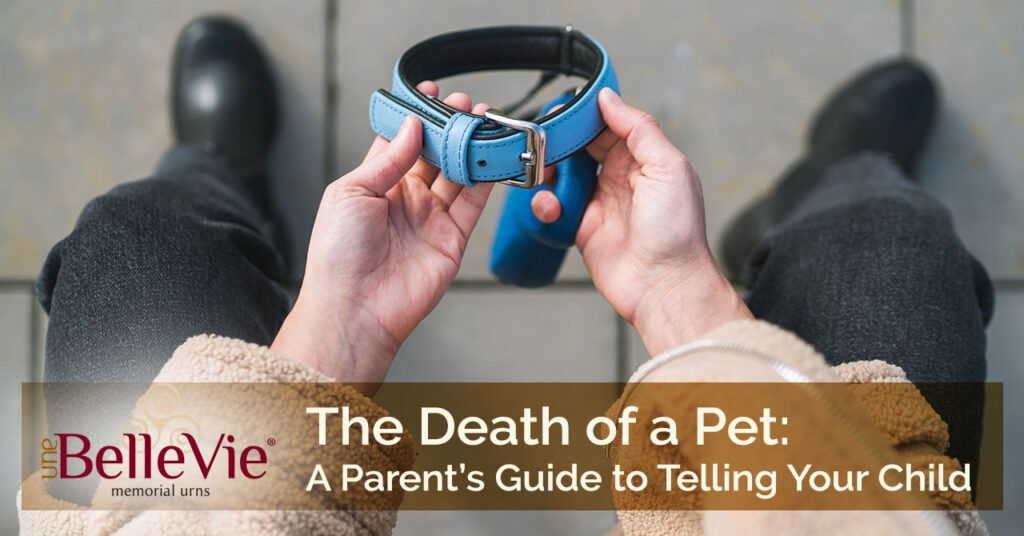
Pets quickly become an integral part of the family, so it’s bound to be tricky to navigate telling a child their beloved pet has passed away.
With dogs, cats, and other pets with a substantial life span, your child may have known them their entire life, so their death can be both devastating and life-changing. For many children, losing a pet is the first encounter they have with the notion of death, so knowing how to break the news to your child is crucial.
Every child will react differently to the devastating news. This will depend on their age, development stage, and their character. You are in the best position to know how your child might react and how to best support them.
Prepare your child:
This isn’t possible in the circumstances of sudden death, but if your pet has become increasingly ill, is reaching old age, or showing signs they may be nearing death, it can be a good idea to prepare your child for the inevitable.
If your pet is being euthanized, avoid using terms such as ‘put to sleep’. It may feel like a kind way to explain to your child what is happening but can lead to misunderstandings and fear. When your pet does not wake up again from its ‘sleep’, your child may question if the same will happen to them at bedtime. It can also frighten your child if they need anesthesia for surgery in the future.
“By discussing with your child that the vet is going to help your pet die peacefully and that they will no longer be in pain, it gives your child the opportunity to say their goodbyes, which can help the healing process” says Johnny Keller, a psychology writer at Academized.
Some older children may want to be with your pet while the shot is given. You are the best judge to know if this is appropriate for your child.
Be honest:
When breaking the sad news to your child, it is natural to want to protect them by telling them a white lie or trying to soften the blow. Unfortunately, this invariably leads to confusion, and sometimes even resentment.
You may be tempted to tell your child that their beloved dog has gone to live on an idyllic farm with acres of space to run free. This can leave your child questioning why you would send your dog away, especially without allowing them to say their goodbyes.
The age of your child will determine how much information you give them about the circumstances of your pet’s death. Whatever the age of the child, though, it is important for them to realize that they are not coming back. Avoiding such phrases as “they have passed away” or “moved on” will evade confusion.
Show them your grief:
Grief can be a lonely time, often leaving people to believe they are the only ones feeling sad. Talking to your child about how you are feeling about your pet’s death will teach them it’s normal to feel sad and to have mixed emotions; sadness, anger at being left, sorrow.
By opening up to your child, you are encouraging them to do the same in return. By avoiding the bottling up of emotions, your child will be able to process their grief easier.
Don’t hide your own grief; teach them it’s OK to be sad.
If your child is at daycare or school, it is important to let them know what has happened so they can support your child and keep a special eye on them. Discuss with them what you have told your child, so there are no mixed messages.
Remember your pet:
Your pet’s death will invariably have left a large hole in your child’s life. Talking about your pet and remembering them is a healthy way to help your child come to terms with their loss.
Whether you have buried your pet in the backyard or had them cremated and scattered in communal gardens, a nice way to remember them is to create a memorial for them. You could even have a ceremony where you can share the happy times you had with your pet, their little quirks, and the things you all loved about them. Remind your child that they will always have those memories to treasure.
Change your routine:
Depending on the pet, their death may have left a noticeable gap in your child’s routine. It can be a good idea to fill these gaps with something else.
For example, if your pet was a dog and your child used to join you when walking them, their routine will now have changed. Instead of dropping the walk altogether, it can be a comfort to sometimes take your dog’s favorite route and discuss your memories of them together. This may be very hard for your child, so you will have to gauge if or when this suggestion will help.
If your pet was a cat who used to sit on their lap whilst your child watched TV, buying a special soft toy for your child to hug may offer some comfort.
—
The death of a much-loved pet is bound to affect your child. The suggestions above may help to ease the transition from life with your pet to life without, but it is important to look out for signs that suggest your child is struggling to come to terms with their loss.
For children under five especially, it may take some time for them to realize that your pet really is not coming back, so be prepared for the questions to continue.
Some signs of grief for all ages include loss of appetite, disruption of sleeping patterns, a disinterest in friends and their normal activities, and age regression.
According to the American Academy of Child and Adolescent Psychiatry, it is normal for your child to experience many of these symptoms of grief for a couple of weeks, but if they persist, it may be time to seek professional help.
—
Continue Reading
5 Things You Can Do to Cope with Pet Loss
Custom Dog Shaped Urn: Ideas to Commemorate your Family Friend
Pet Sympathy Gifts: Offering Pet Loss Support to a Loved One
The End of a Lifetime: Caring for a Sick or Dying Dog













Contact Une Belle Vie Customer Service