Flame cremation, an age-old method of body disposition, is used for about 56% of U.S. deaths each year. But, as favored a choice as cremation has become, there’s another method of cremation that is quickly gaining notice—aquamation.
It’s been proven that aquamation emits about 80% less carbon dioxide than flame cremation. Even Desmond Tutu, the anti-apartheid hero, requested to have his body aquamated because of its environmentally-friendly process.
But what is aquamation and how is it the same or different from cremation? Here’s your complete guide to aquamation vs. cremation so you and your loved ones will know your options when it comes time to make the choice.
Aquamation vs. Cremation
Like cremation, the aqua cremation process results in remains placed in an urn and given to the departed’s family. The main difference is how the body is turned into ashes—by water instead of fire.
What Is Aquamation?
Aquamation uses water to break down a body’s elements and turn them into ash. It is considered a more eco-friendly option as it returns the body into an assortment of molecules that are absorbed by and dissolved in water.
Other names for aquamation include:
- Alkaline hydrolysis
- Aqua cremation
- Bio cremation
- Flameless cremation
- Green cremation
- Resomation
- Water cremation
The History of Aquamation
The aquamation technique has its origins in 1888 when a patent was filed to use an alkaline solution to make fertilizer and gelatin. In the 1990s, lab animals and cattle during the mad cow epidemic were aqua cremated. Then, around the 2000s, aqua cremation was used in anatomical bequest programs (bodies donated for scientific research).
Aquamation is now an increasingly common choice for families who want a greener, gentler alternative for their loved one’s body.
What Is the Aqua Cremation Process?
The process of aqua cremation is quite simple:
- Any metal component or medical device (pacemakers, etc.) inside the deceased person’s body does not need to be removed before aquamation, unlike cremation.
- The body is immersed in lye, a mixture of 95% water and 5% strong alkali such as potassium hydroxide, inside a pressurized metal cylinder.
- The metal cylinder is heated to around 300°F for three to four hours.
- The liquid boils and breaks the chemical bonds that hold together proteins, fats, DNA, and other bodily building blocks. This replicates the natural breakdown process that takes place with burial in the ground.
- The entire body is liquified, except for the bones and any metal components or medical devices that remain.
- The metal and devices are removed, and the bones (calcium phosphate) are dried and reduced to fine, white dust.
- The cremains are placed in an urn and given to loved ones.
- The sterile water mixture is disposed of according to city regulations.
How Much Does Aqua Cremation Cost?
When comparing the costs of aquamation vs. cremation, they are similar. In California, a basic aquamation package can cost around $1,500.
Where Is Aquamation Legal?
Aquamation isn’t yet legal in every state, mostly due to each state legislature having a different timeline for considering new processes. For now, 21 states have legalized aquamation:
- Alabama
- California
- Colorado
- Connecticut
- Florida
- Georgia
- Idaho
- Illinois
- Kansas
- Maine
- Maryland
- Minnesota
- Missouri
- Nevada
- North Carolina
- Oregon
- Tennessee
- Utah
- Vermont
- Washington
- Wyoming
Where Is It Legal to Spread Ashes?
Spreading ashes or scattering remains can give loved ones a sense of peace and closure, but refer to your state’s laws regarding the scattering of aquamated ashes before you plan on participating in this tradition.
Private Property
Federal law states it is legal to scatter remains on your own private property. On any other private property, scattering ashes can be done with the property owner’s permission.
Public Land
Almost every state has its own regulations regarding where ashes can be spread on its public land, which includes city streets and beaches.
Federal Land
National parks are a common place to scatter ashes, but doing so requires a letter of permission or a permit from a specific park (which is generally granted).
In Water
Whether at sea or in a pond or river, scattering a loved one’s remains is legal under specified conditions when granted a general permit from the EPA.
In the Air
Some people choose to fly into the air and spread their loved one’s ashes from an airplane, though this option is expensive and may be illegal in some states.
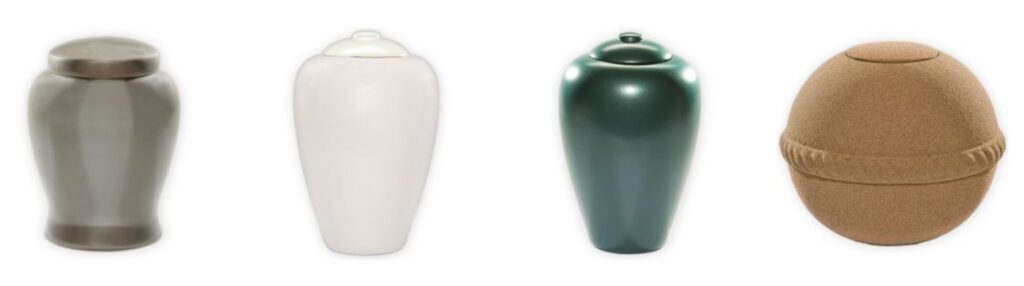
In a Biodegradable Urn
Biodegradable urns allow ashes to be buried in the ground without worrying about toxic chemicals leaching into the soil. Many families choose to plant flowers or a tree around their loved one’s final resting spot.
Other Options for Ashes
There are more options than ever before for what you can do with a loved one’s ashes. Have you considered any of these memorials? Just note, some providers of these memorials don’t yet work with alkaline hydrolysis remains.
- Cremation jewelry: A small amount of your loved one’s remains are infused into jewelry or contained in an interior compartment of a necklace, bracelet, or ring. They can also be infused into crystals or diamonds. One nice thing about this is that many loved ones can have their own memorial jewelry.
- Ash tattoos: Ashes are added to regular tattoo ink and then used to create a design of the loved one’s choice. Just be sure to find a tattoo artist who is experienced in using this type of ink.
- Memory glass: Artisans can use glass blowing techniques to weave ashes into timeless works of art that can be put on display. Examples include a paperweight orb, votive holder, tree ornament, and sculpture.
- Parting stone: The ash is turned into a clay-like material and solidified into a form that resembles a collection of stones. These can be shared and kept close by, whether on a nightstand or in a pocket.
- Memorial reef: Remains are made into a jewel and built into an ocean-friendly concrete sculpture that is lowered into the water where it helps expand coral reefs and restore the earth’s oceans. A bronze plaque with the loved one’s name and other information can be affixed to the front of the memorial.
A Final Thought
As Oscar Wilde wrote:
Death must be so beautiful. To lie in the soft brown earth, with the grasses waving above one’s head, and listen to silence. To have no yesterday, and no tomorrow. To forget time, to forgive life, to be at peace.
This lovely sentiment is just one reason why green burials and funerals are gaining ground, with biodegradable urns and aquamation leading the way.













Contact Une Belle Vie Customer Service